Sage
Soft and scrumptious sage is an aromatic herb I couldn’t do without. It makes a healing cuppa, adds interesting foliage to your garden design and is a tasty addition to most meals.
Common name: Sage
Botanical name: Salvia officinalis
Scots names:
Gaelic name:
Parts used: Leaves
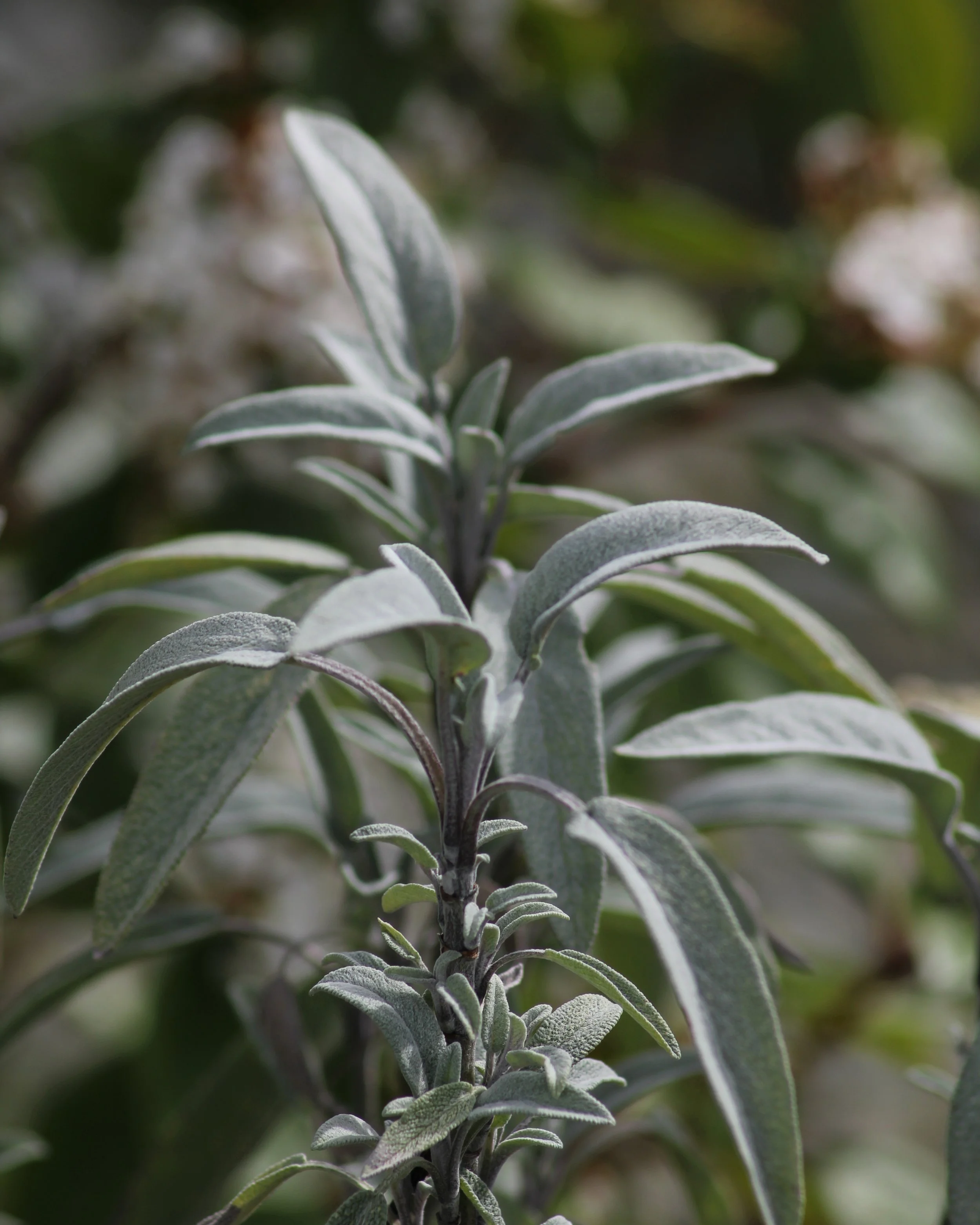
Sage, Salvia officinalis © Lynne Maclagan
Silvery green foliage in our raised beds, handy for cutting by our kitchen door. Showing off its foliage all through winter. Sage – Salvia officinalis – is a year-round herb and foliage plant in our kailyard garden.
HOW TO GROW
WHERE TO GROW IT
Sage loves the sun, but doesn’t mind a bit of shade. It doesn’t love the wet, but will tolerate it from our west coast garden if planted in raised beds and planters.
I find that purple sage is a bit more fussy, so a well-drained soil, some sun and shelter would suit it best.
My golden sage is in a low raised bed, that is very damp and gets lots of sun. The golden sage is very happy in there and shows no signs of stress.
From the silvery leaves of Salvia officinalis to its purple or lime green cousins, sage is an attractive garden plant as well as a tasty and medicinal herb. You can plant it in your flower borders as well as your kitchen garden.
GROW FROM SEED OR CUTTINGS
Growing from softwood cuttings is the quicker way to get yourself a sage plant, but they are pretty easy to grow from seed, too.
HOW TO GATHER
HOW TO HARVEST
I harvest the leaves regularly and as and when I need some. You can pick off a few leaves at a time, but I also regularly cut off the tops of the plant, to keep it from stretching and so that it keeps producing fresh leaves along the stems rather than growing leggy.
HOW TO STORE
Sage can be kept in an airtight container in the fridge for a few days. It dries and stores well too, either using a dehydrator or hanging it up to dry in a warm and dry place indoors. This can be tricky in rainy Argyll, so I tend to use a dehydrator. You can also dry them in the oven on a low heat until they are just crispy.
HOW TO USE
FOR YOUR COOKING
Harvest the leaves and use them like you might parsley; add to stews, soups and potato salad. I might sprinkle some young leaves over a fresh green salad.
If I don’t have any stock, then I’d use leaf celery or lovage to help make a rich base for soups and other sauces.
FOR YOUR CUPPA
Pick a few fresh leaves, tear them up and put them in your teacup or strainer. Add boiled water and leave to stew for a good five minutes. You can gently boil them in water for a few minutes for a stronger flavour.
Sage cuppa goes well with a sprig of mint, lemon balm or lemon verbena.
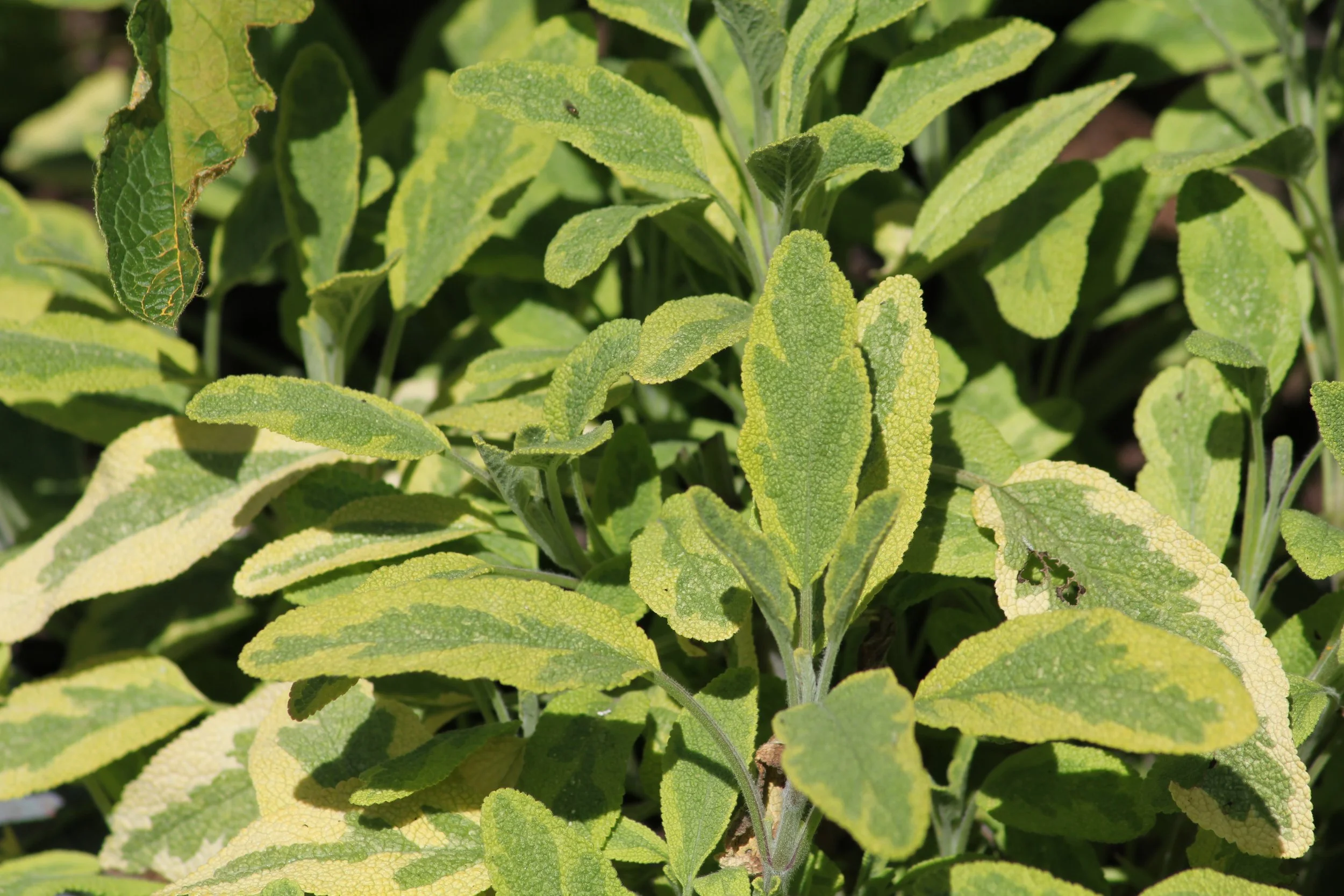
Lemon and lime green foliage of Golden sage, Salvia officinalis ‘Icterina’ © Lynne Maclagan
WHAT IS IT USED FOR?
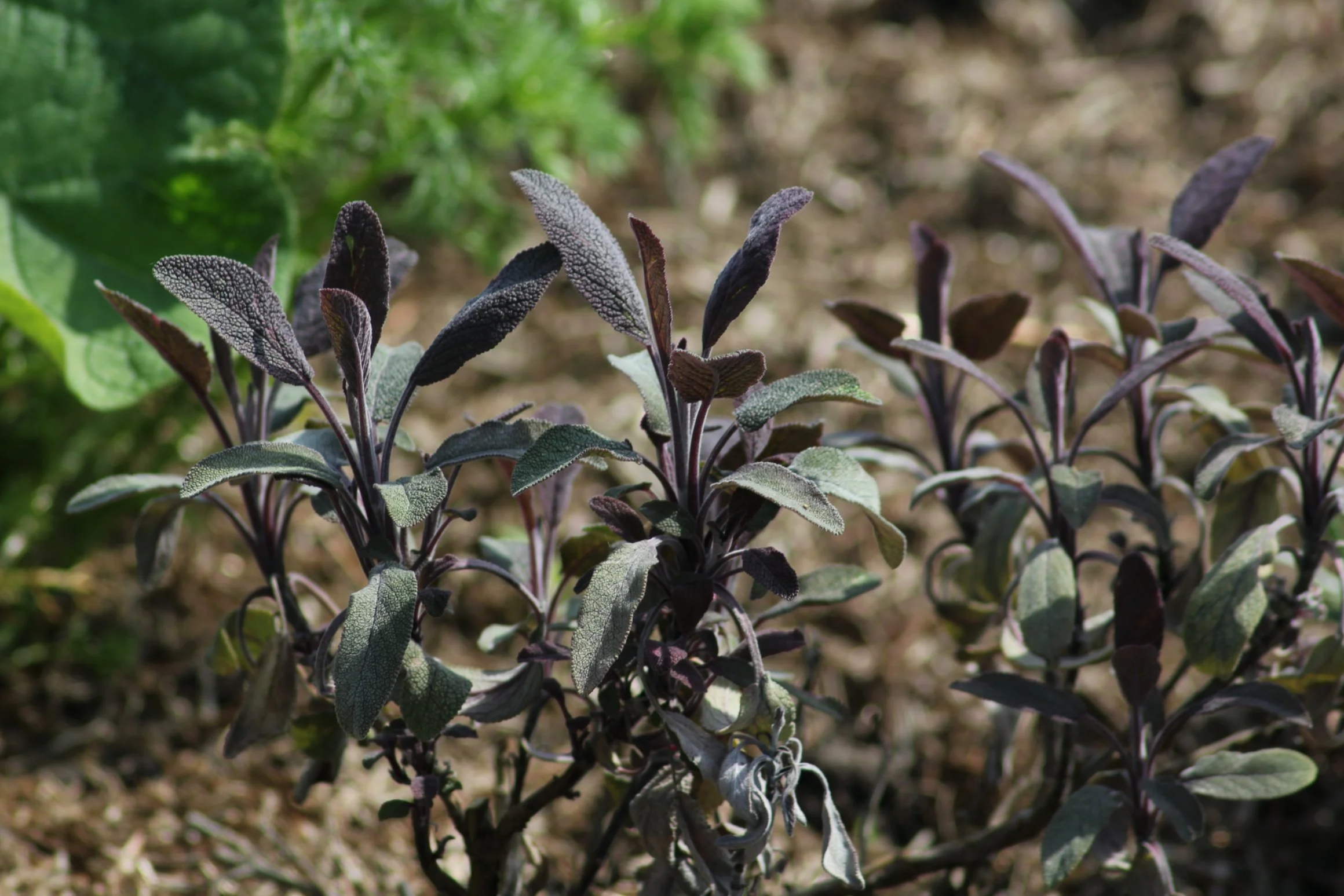
Salvia officinalis ‘Purpurascens’
Caution: Information about the medicinal uses of herbs is part of their story. I am not a doctor or a medicinal herbalist, so consult a medical professional, especially if you are pregnant, breastfeeding or if you have any medical conditions, before using herbs as medicine.